



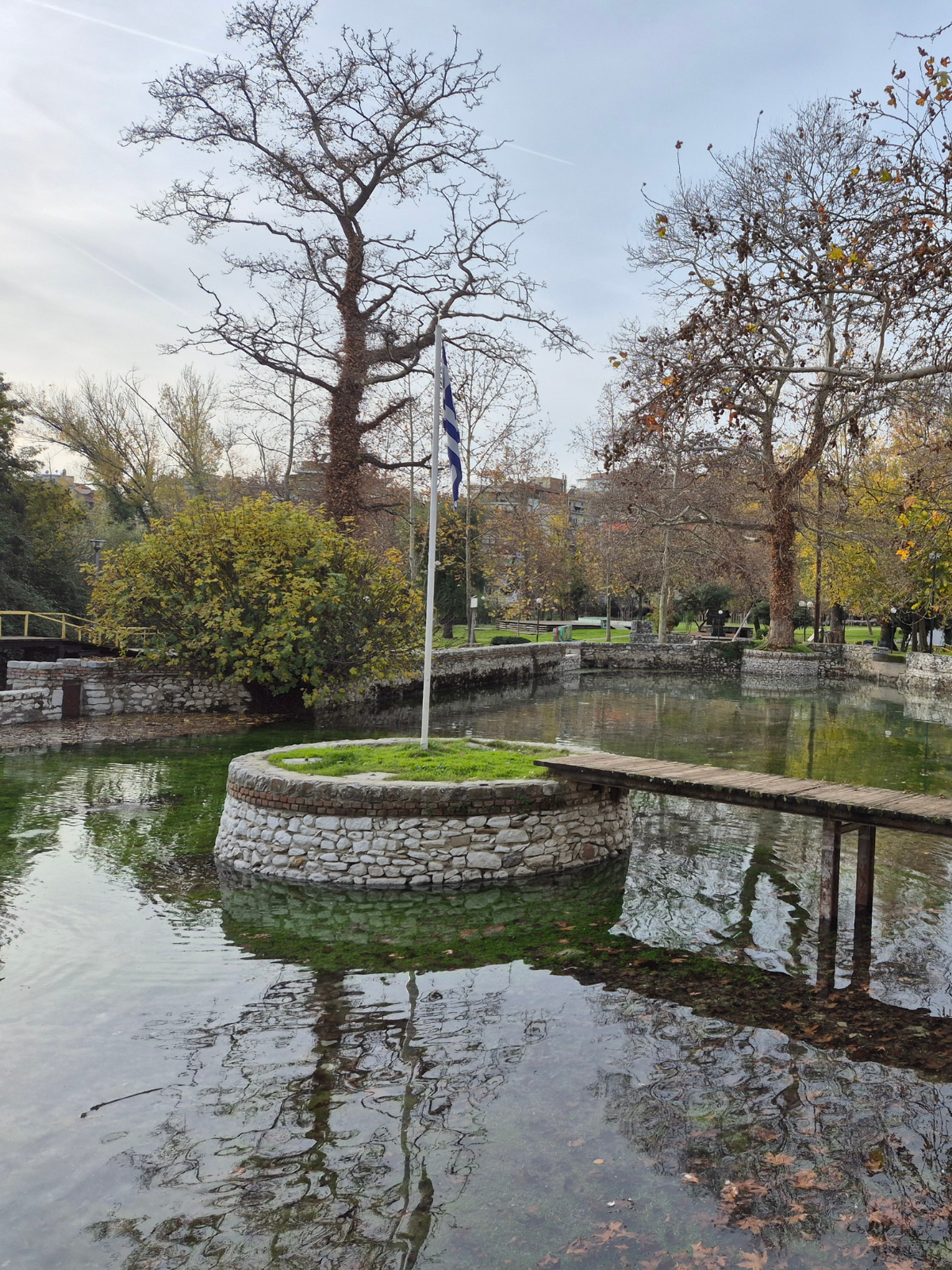
Bringing the Black Sea a little closer to all of us, over the past months we have continued to place strong emphasis on informing and raising awareness among local communities in the regions of Central Macedonia and Eastern Macedonia and Thrace, through the Interreg NEXT Black Sea Basin project Environmental and Ocean Literacy in the Black Sea Basin (EOL).
HSPN coordinated a series of small-scale seminars entitled “Small Talks on Ocean Literacy and the Black Sea”, focusing on environmental education and, more specifically, ocean literacy. These events highlighted the importance of truly understanding the role that seas and oceans play for the entire planet, or rather, the single ocean that connects our world.
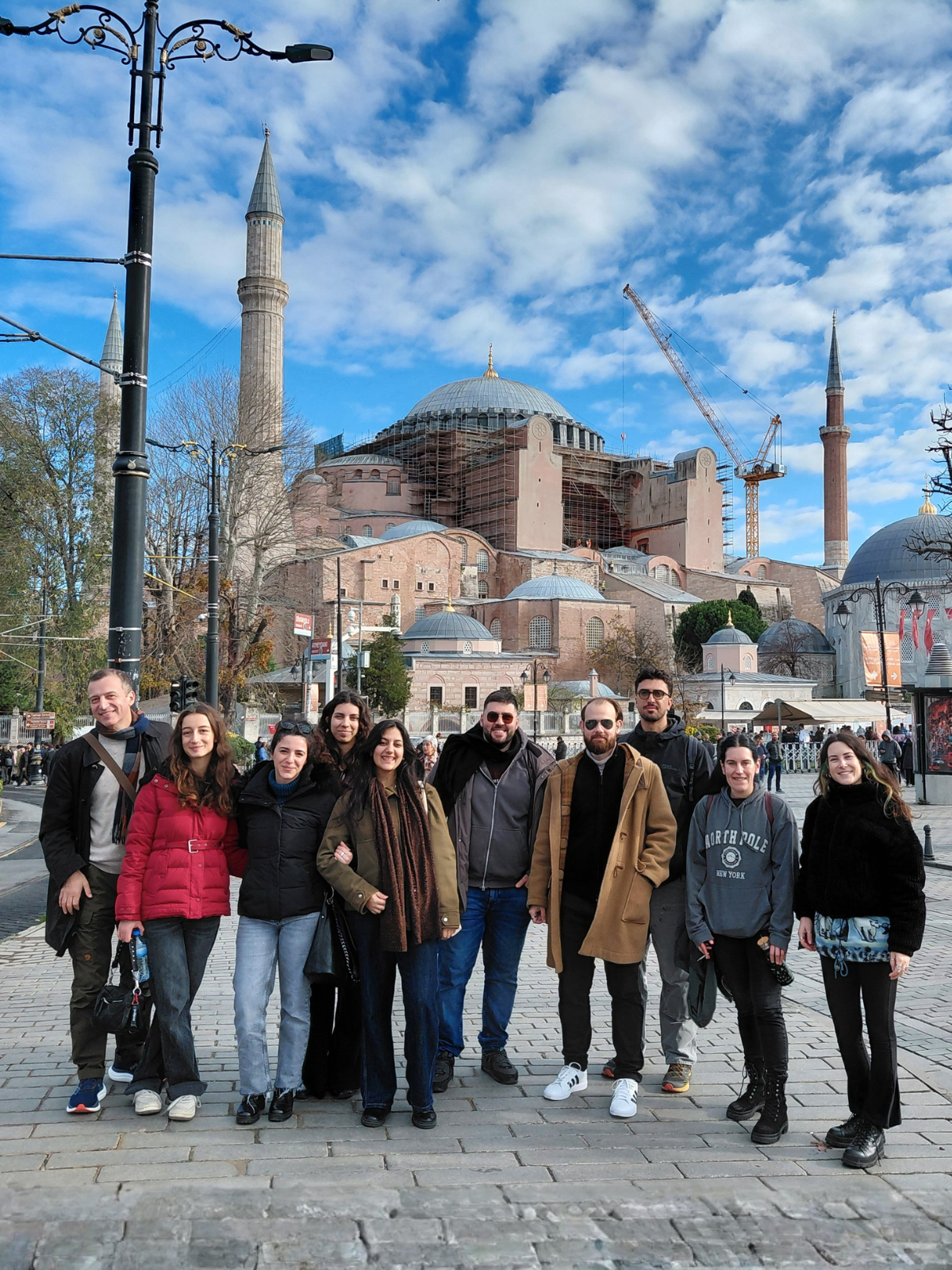
The EOL project places particular emphasis on empowering local communities that live in, work in, and visit coastal areas, as well as inland regions that are connected to them. The two multi-day Training of Trainers (ToT) seminars held in March and May, first in Thessaloniki, Greece and then in Burgas, Bulgaria served as a starting point for training professionals from Civil Society Organisations, universities, public bodies and managing authorities from the three participating countries of the project, Greece, Turkey, and Bulgaria. Now back in their home countries, the trained participants are ready to pass on the knowledge they acquired to local communities, with a particular focus on young people aged 18 to 35, as well as fellow professionals.
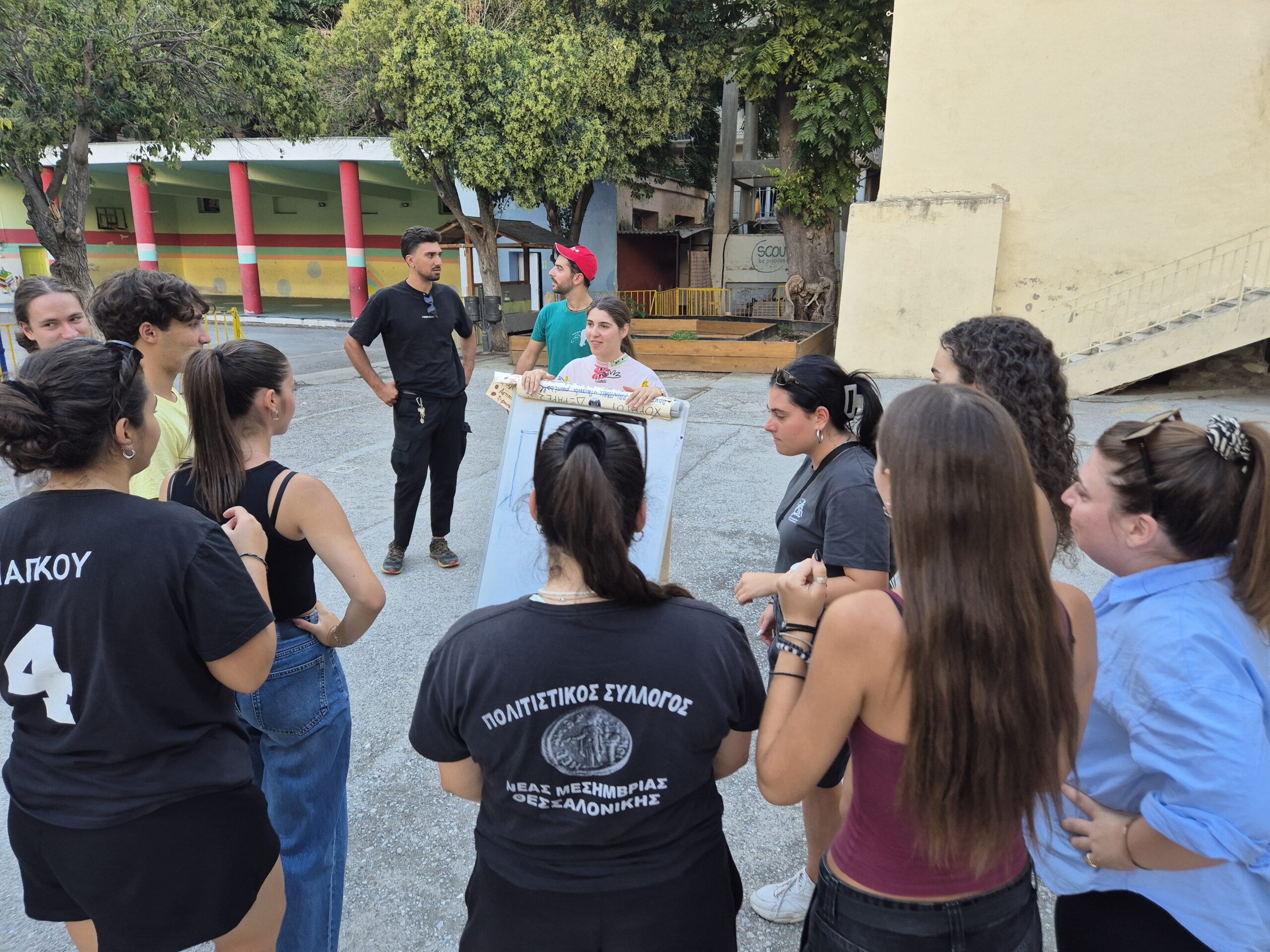
Within this framework, we held an interactive discussion at the 6th Sea Scouts Group of Thessaloniki, in the heart of the city. During the event, we presented the project and its objectives, how it informs and empowers young people, and key concepts related to sustainability and ocean literacy. Special emphasis was placed on the importance of the Black Sea and its connection to Greek waters. The trainers, who were themselves Sea Scouts and trainees at the Burgas ToT, focused particularly on ocean literacy terminology and the threats facing seas and marine biodiversity, as presented in the project’s Ocean Literacy Manual.
We presented the project and Ocean Literacy at the PHILOXENIA HOTELIA 2025 exhibition, hosted at the Thessaloniki International Exhibition and Congress Centre. During our participation, we discussed the importance of sustainability in the management of marine ecosystems and screened the awareness-raising video developed within the framework of the project.
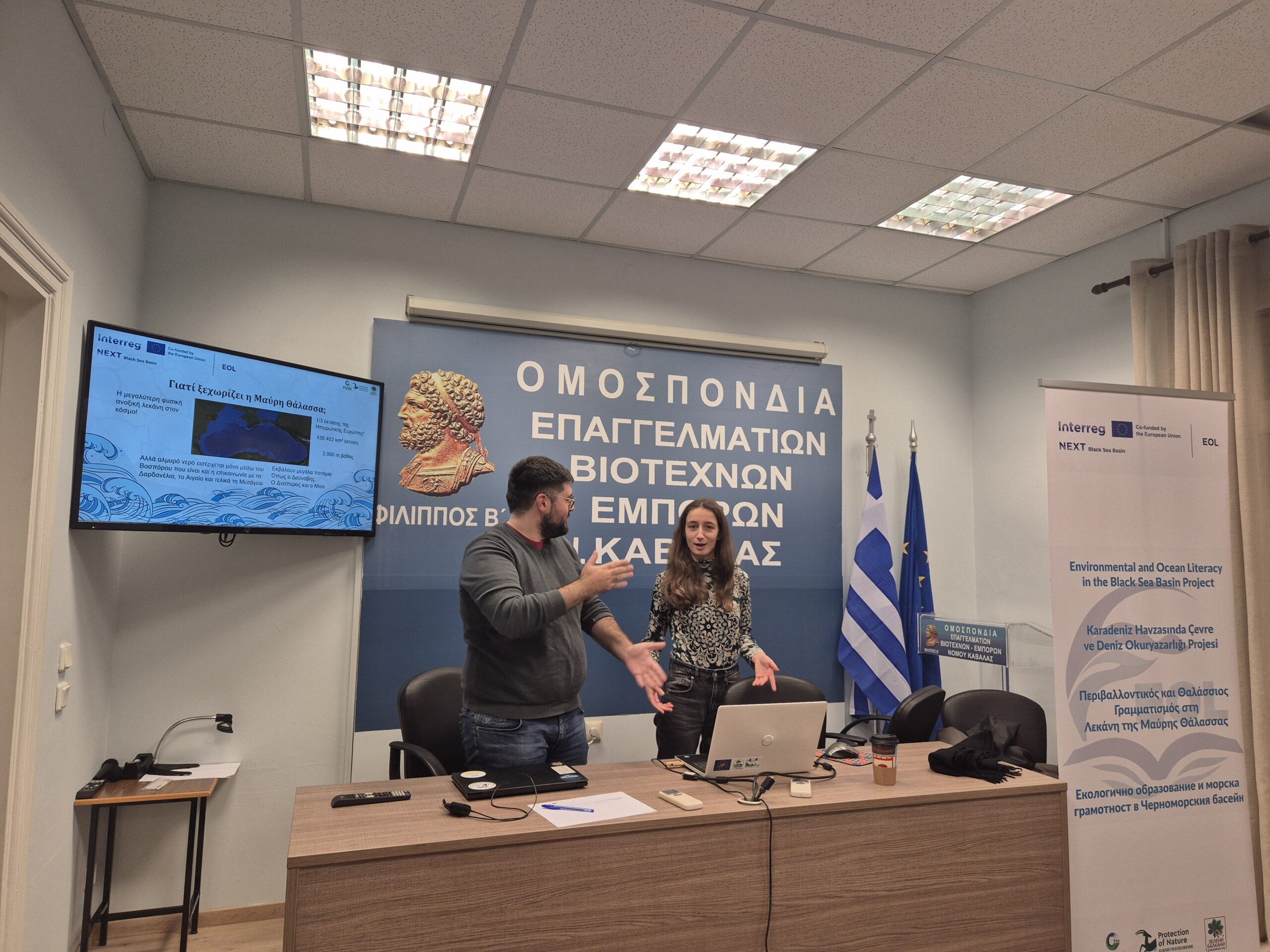
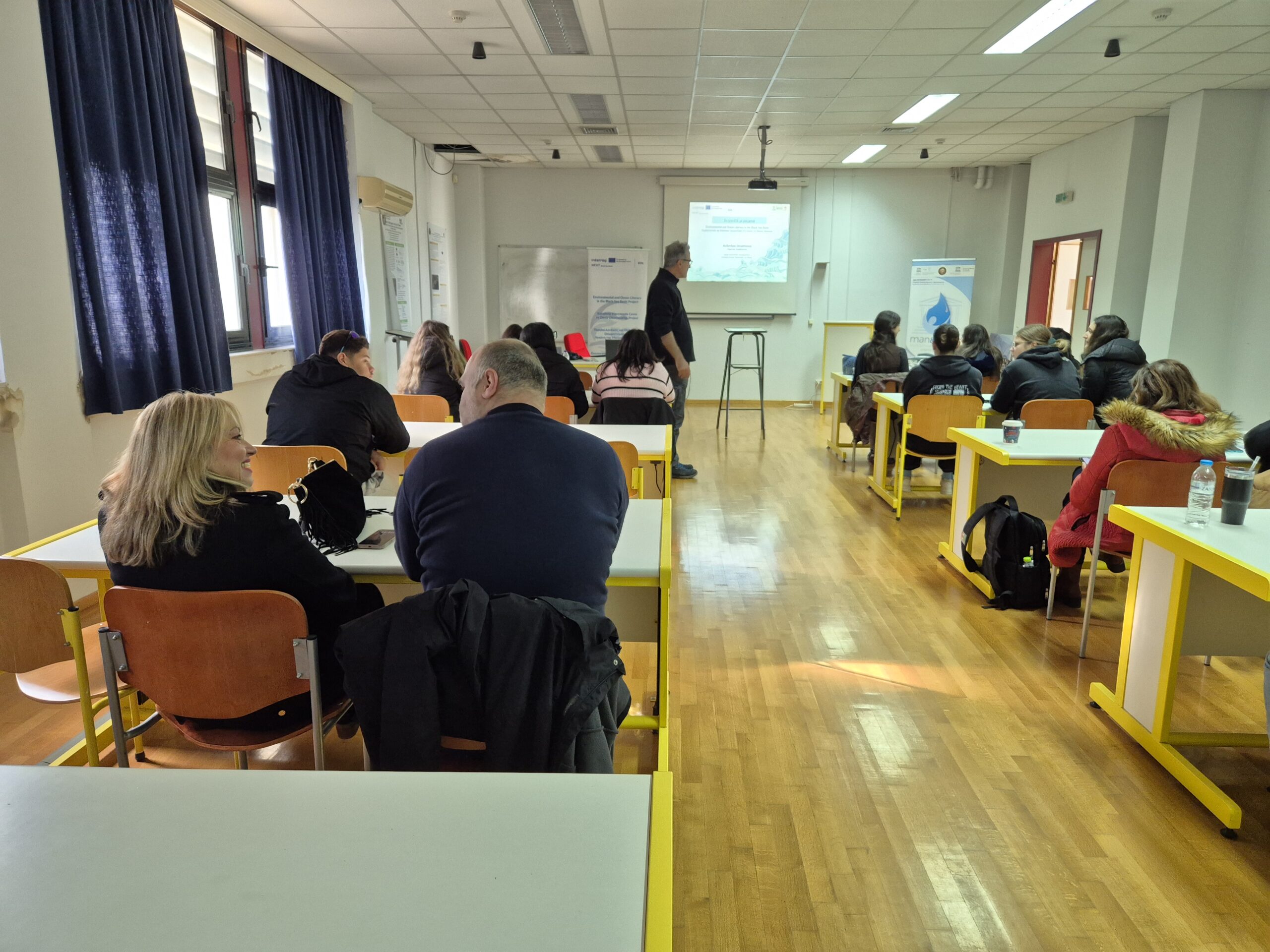
We then visited Drama, engaging with students and professors of the Department of Natural Environment and Climate Resilience of the School of Forestry and Natural Environment at the Democritus University of Thrace. Our next stop was Kavala, where we were hosted at the building of the Federation of Professionals, Craftsmen, and Merchants, presenting the project’s thematic areas.
Subsequently, we travelled to the Municipality of Thermi, where the seminar was held at the offices of Anatoliki S.A., the local development organisation of Central Macedonia. Alongside the seminar, discussions took place on the Black Sea and other Interreg NEXT Black Sea Basin projects being implemented in the region.
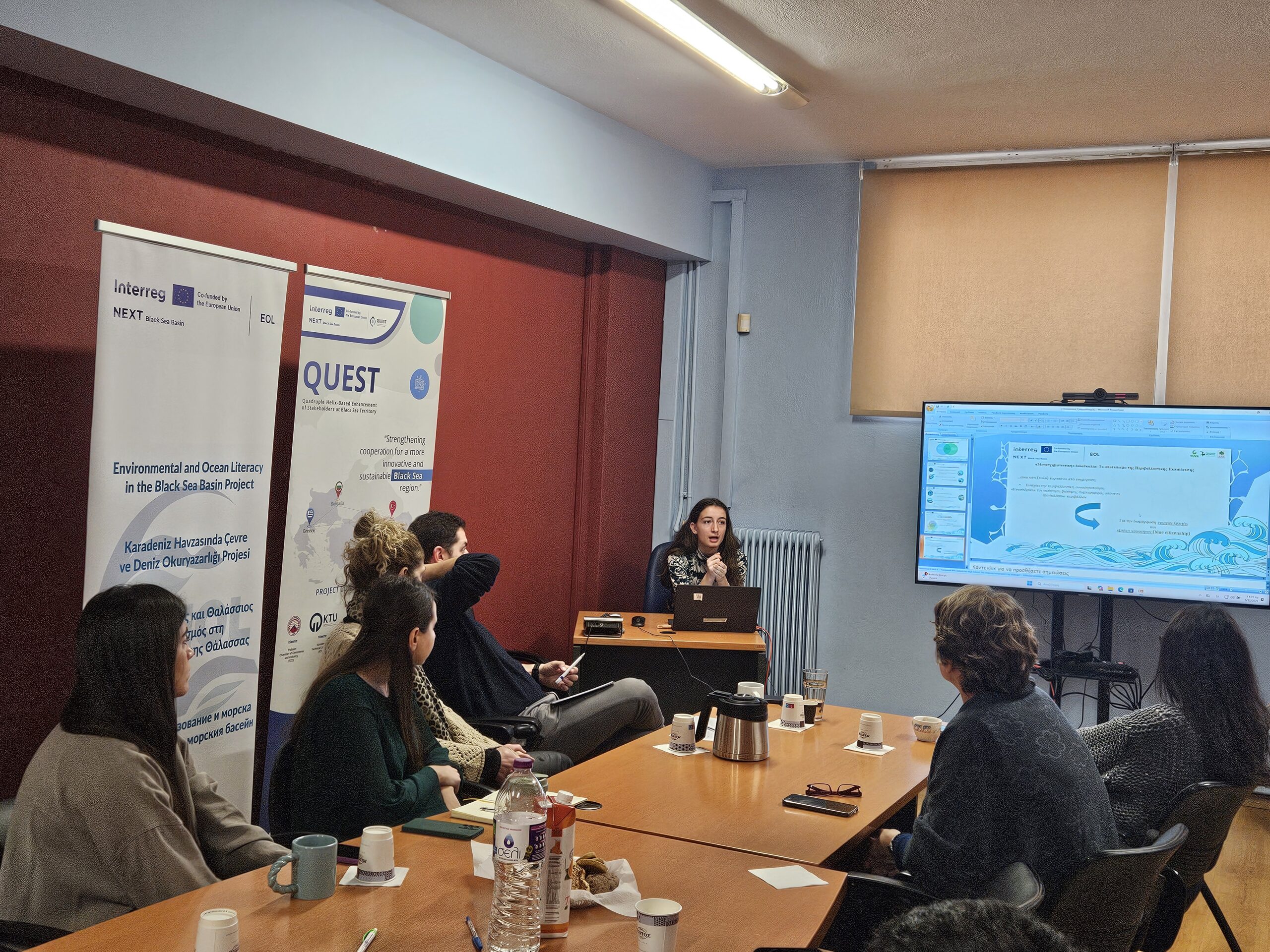
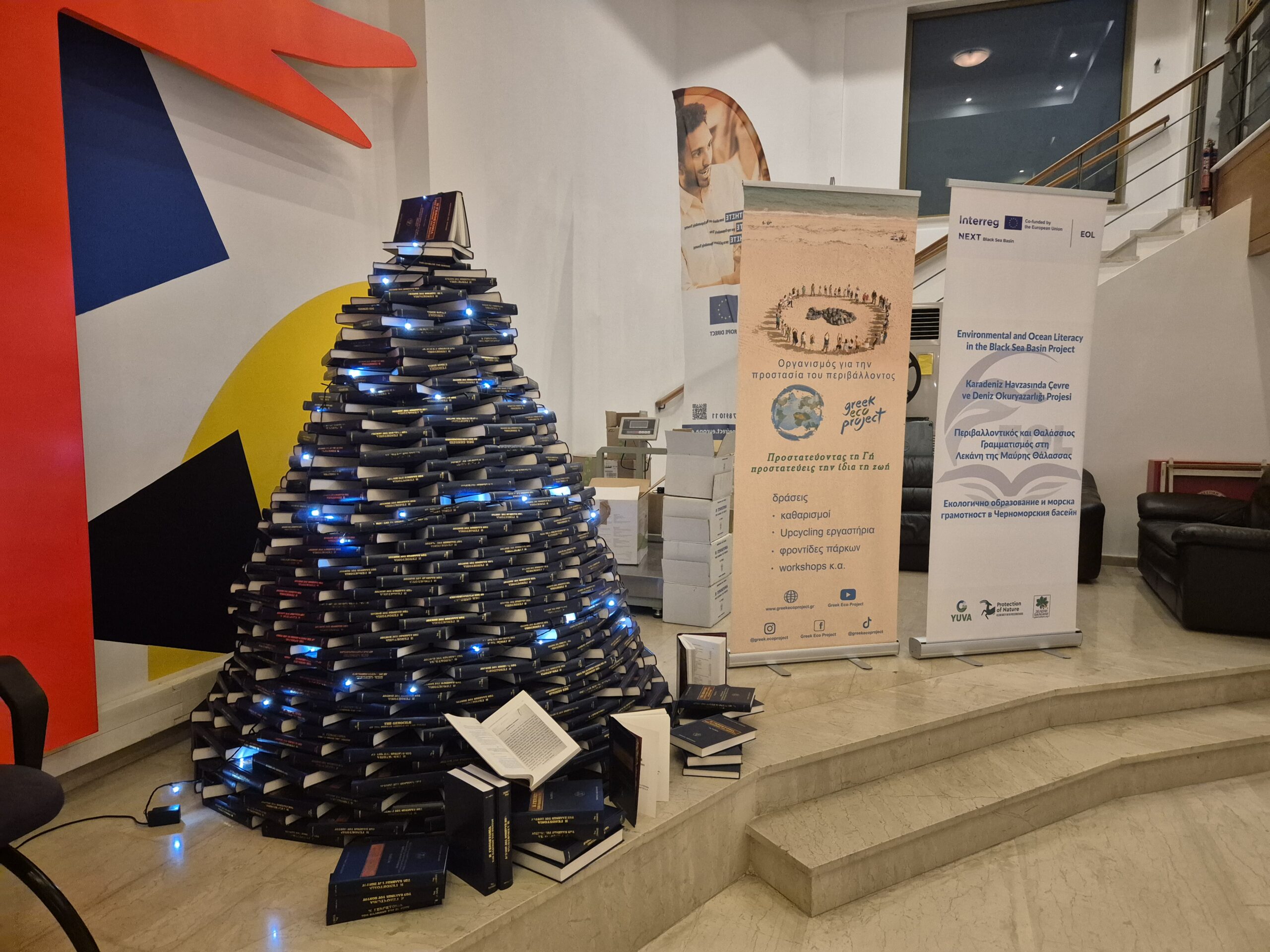
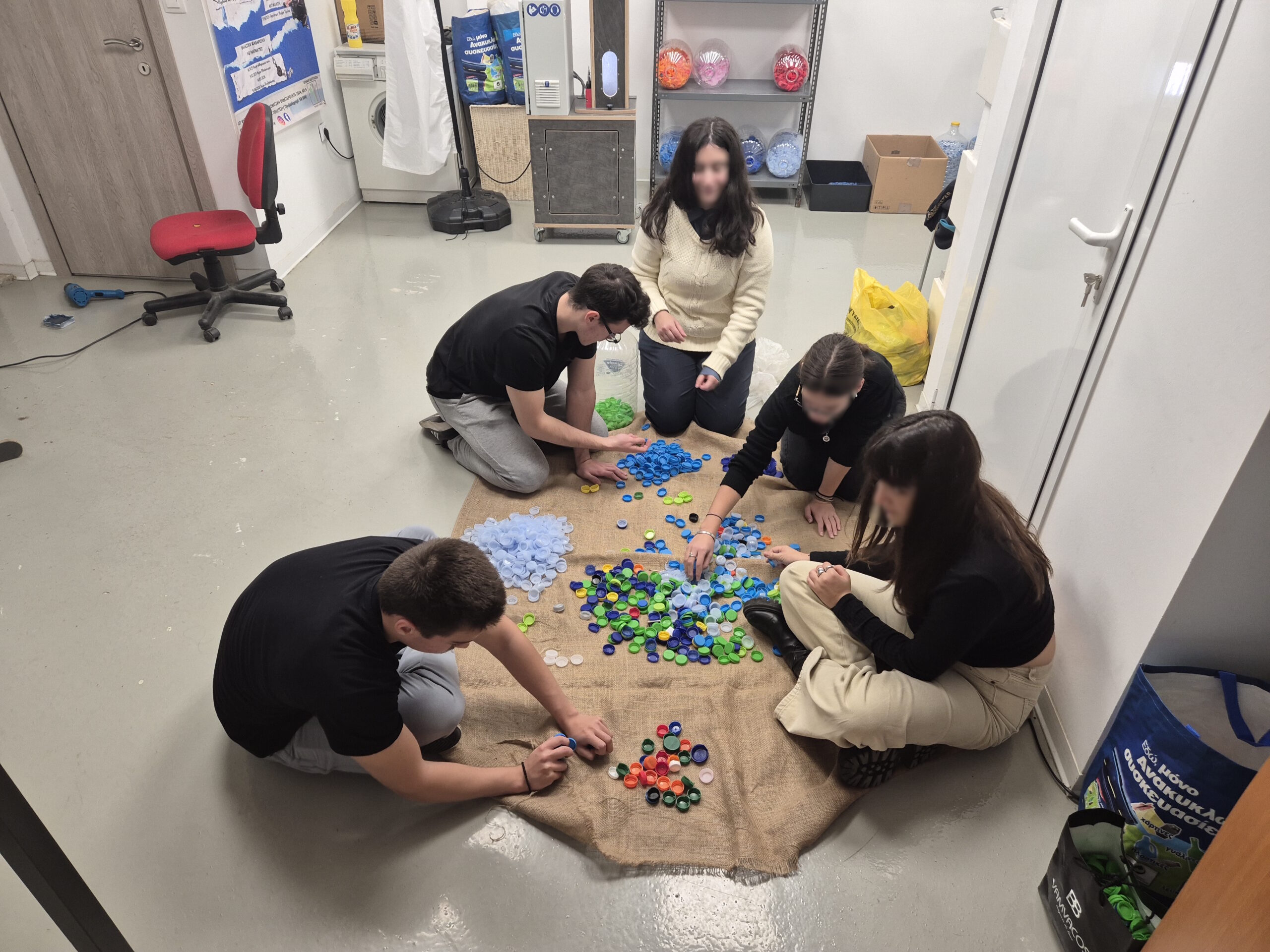
Finally, shortly before Christmas, we co-organised an event together with Greek Eco Project at the welcoming venue OK! Thess. Greek Eco Project facilitated a hands-on workshop on material reuse with a Christmas theme, followed by the seminar on Ocean Literacy and the Black Sea and an open discussion.
We warmly thank all participants, as well as the organisations that hosted and supported our small talks. Together, we have all contributed our share towards a more sustainable future for the Black Sea and beyond.
A very special thank you goes to our trainers, participants in the spring Training of Trainers, who took on the role of educators and knowledge ambassadors within their local communities. The small talks on the Black Sea and Ocean Literacy will continue in the coming period!